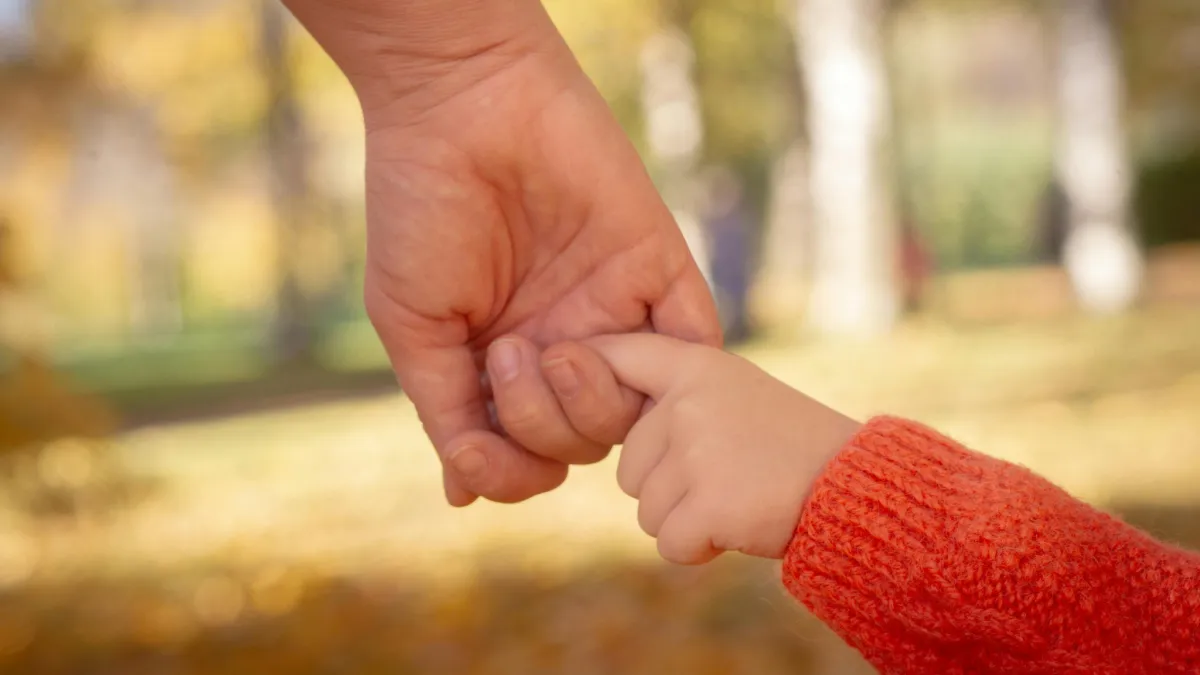
Little Copycats: The Parenting Lesson Happening Right Under Your Nose
Chandra Eden, The True Me Yogi
On the Training of Parents
Author: Ernest Hamlin Abbott
"Children learn by imitation long before they learn by instruction. They watch what we do more carefully than they listen to what we say. Character is taught every hour of the day, whether we intend to teach it or not."
Little Copycats: The Parenting Lesson Happening Right Under Your Nose
If you've ever watched your preschooler pretend to answer an imaginary phone with, "I'll call you back, I'm in a meeting," congratulations.
You have a tiny human photocopier living in your house.
Children between the ages of three and nine are constantly collecting information about how the world works. They notice how you greet the cashier, what you do when you spill your coffee, how you react when someone cuts you off in traffic, and yes...they also notice the colorful vocabulary that accidentally escapes when you step on a LEGO.
The funny thing is, they're paying much closer attention to what you do than what you say.
That's actually wonderful news.
It means you're teaching all day long, even when you don't realize it.
Actions Are a Child's Favorite Language
Imagine telling your child, "It's important to be kind," and then snapping at the grocery store cashier because the self-checkout machine decided bananas needed a software update.
Which lesson sticks?
Probably not the one about kindness.
Young children learn by watching patterns. Their brains are constantly asking, "How do people like me handle situations like this?"
As parents, we become the answer to that question.
The Power of Modeling
In Neuro-Linguistic Programming (NLP), there's a concept called modeling. It simply means that we learn by observing successful behaviors and unconsciously copying them.
Children are naturally brilliant modelers.
If they see you apologize after making a mistake, they'll learn that saying "I'm sorry" is part of being a strong person.
If they see you take a deep breath before responding in frustration, they'll begin to understand that feelings don't have to be in charge.
If they hear you say, "That was hard, but I'll keep trying," they'll start borrowing that inner voice for themselves.
You may think you're talking to yourself.
Your child thinks you're teaching a masterclass.
Your Everyday Moments Matter Most
It's easy to think character is built during big family conversations.
In reality, it's usually built during tiny moments.
Waiting patiently in line.
Holding the door for someone.
Laughing when dinner doesn't turn out as planned.
Cleaning up a mess without blaming everyone in the house...including the dog.
These ordinary moments become your child's instruction manual for life.
Progress Beats Perfection
Here's the good news.
Your child doesn't need a perfect parent.
If that were the requirement, we'd all be in trouble before breakfast.
Children don't benefit from watching flawless adults.
They benefit from watching real adults handle life well.
When you lose your patience and then apologize, you're teaching accountability.
When you're nervous but do something brave anyway, you're teaching courage.
When you admit you don't know something and go learn it, you're teaching curiosity.
Those lessons are priceless.
The Mirror Is Always On
One of the easiest ways to guide your child's behavior is to ask yourself one simple question:
"If my child copied exactly what I'm doing right now, would I be okay with that?"
Sometimes the answer will make you smile.
Sometimes it will make you put your phone down.
Either way, it's an incredibly powerful parenting compass.
Children aren't looking for perfect examples.
They're looking for real ones.
So keep saying kind words.
Keep showing patience.
Keep trying again after mistakes.
Because while you may think you're simply living your everyday life...
Your child is quietly writing the first draft of theirs.
