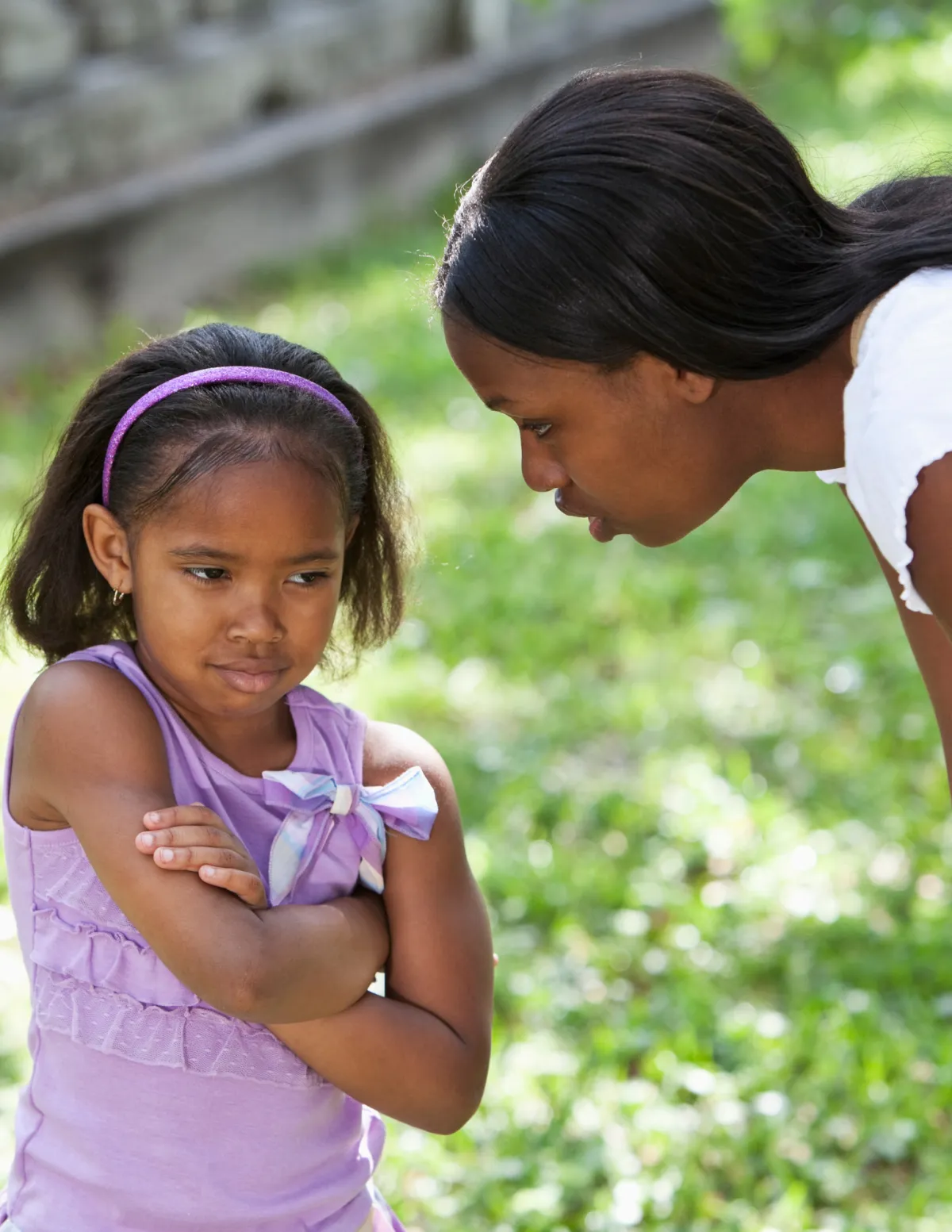
Discipline Is Not a Courtroom (It’s a Classroom)
Chandra Eden, The True Me Yogi
No-Drama Discipline
Author: Daniel J. Siegel & Tina Payne Bryson
“Too often we forget that discipline really means to teach, not to punish. A disciple is a student, not a recipient of behavioral consequences. Effective discipline is not about control. It is about teaching children how to manage their own behavior and helping them develop skills that will serve them throughout their lives.”
Discipline Is Not a Courtroom (It’s a Classroom)
Somewhere along the way, “discipline” picked up a bad reputation. It started sounding like punishment. Like consequences delivered with a tight jaw and a well-timed sigh. Like someone had to win.
But the word itself never meant “to punish.” It meant to teach.
And that small shift changes everything.
When we think of discipline as control, the goal becomes stopping behavior. Quickly. Efficiently. Preferably before anyone notices. When we think of discipline as teaching, the goal becomes skill-building. Slower. Messier. But far more powerful.
If a child melts down because they can’t handle frustration, punishment doesn’t magically install frustration tolerance. If a child lies because they’re afraid of getting in trouble, consequences alone don’t create honesty. They might create better lying. Children are resourceful.
Teaching, on the other hand, asks a different question:
What skill is missing here?
Is it impulse control? Emotional regulation? Flexibility? Problem-solving? Perspective-taking? These are developmental abilities, not moral failings.
When we treat discipline like a courtroom, we focus on the verdict. Who’s right. Who’s wrong. What’s the sentence. When we treat discipline like a classroom, we focus on growth. What needs practice. What needs modeling. What needs repetition.
And repetition is key. No one expects a child to master reading after one lesson. Yet we sometimes expect emotional maturity after a single correction. Emotional skills require practice under pressure. That means mistakes are part of the curriculum.
This doesn’t mean eliminating boundaries. Classrooms have rules. Good ones. Clear ones. The difference is tone and purpose.
“I won’t let you hit” delivered calmly teaches limits and safety.
“You’re in trouble again” teaches something else entirely.
When discipline is about control, children learn to avoid getting caught. When discipline is about teaching, children learn how to manage themselves.
That distinction matters long after childhood.
Because the real goal isn’t raising a child who behaves well when supervised. It’s raising a human who can regulate, repair, and respond thoughtfully when no one is watching.
Teaching takes longer. It requires calm when you’d prefer volume. It requires repetition when you’d prefer resolution. It requires remembering that development is a process, not a performance.
But here’s the relief hidden inside that truth:
You are not managing a courtroom.
You are guiding a learner.
And learners are allowed to get it wrong while they figure it out.
So the next time discipline feels like a showdown, pause and ask:
Am I trying to control this moment, or teach through it?
One creates compliance.
The other builds character.
Only one lasts.
